

If you’re feeling anxious or overwhelmed by what’s happening in the world right now, especially the latest conflict in the Middle East, you’re far from alone. Major global events like pandemics, social injustice, the climate crisis, economic uncertainty, and armed conflicts can stir up deep fear, anxiety, and a sense of helplessness. With constant, around‑the‑clock access to news, it can feel almost impossible to switch off and protect your mental space.
There’s the human cost of the war itself, which naturally brings up sadness, anger, and frustration at the injustice and suffering we’re witnessing. You may feel guilty that people around the world are suffering while you’re going on with your life, working, travelling, eating out, and so on. At the same time, there are the broader ripple effects that touch our own lives, such as, will prices continue to rise, how will fuel shortages affect us, could the conflict escalate further? These questions can sit heavily on our minds, adding another layer of stress to an already difficult moment.
It’s important to remember that feeling anxious or frightened isn’t a sign of weakness. These reactions are natural responses of the nervous system when we’re exposed to prolonged threat, uncertainty, or collective stress. When we become overwhelmed, our stress response switches on, often showing up as Fight, Flight, Freeze, or Fawn. These reactions are designed to protect us in genuinely dangerous situations.
However, when stress becomes ongoing and the stress response is repeatedly activated, it can start to take a toll on our health. Physically, we might feel exhausted, struggle with sleep, experience digestive discomfort, or notice persistent aches and pains. Cognitively, it can show up as difficulty concentrating, heightened anxiety, or reduced motivation. Emotionally, we may feel anger, sadness, numbness, or a sense of being stuck. All of these are common signs that our system is under strain.
During such times, we may resort to coping mechanisms which are relieving in the short-term but create other issues or impact our health negatively. For instance, alcohol or drugs may be used to numb our emotions, but may lead to problems in the long-term, such as addiction, anxiety, low mood, difficulties in close relationships, and so on. Others cope by staying excessively busy or overworking, using constant activity as a way to avoid thinking or feeling anything about what’s happening around them. Doomscrolling is another common pattern, with hours spent consuming distressing news online. Even though it often leaves us feeling anxious or empty, it can still feel incredibly hard to stop.
So, now that we’ve explored some of the unhealthy coping methods associated with stress, let’s go through some of the healthier ways to cope with the global uncertainty we are currently facing:
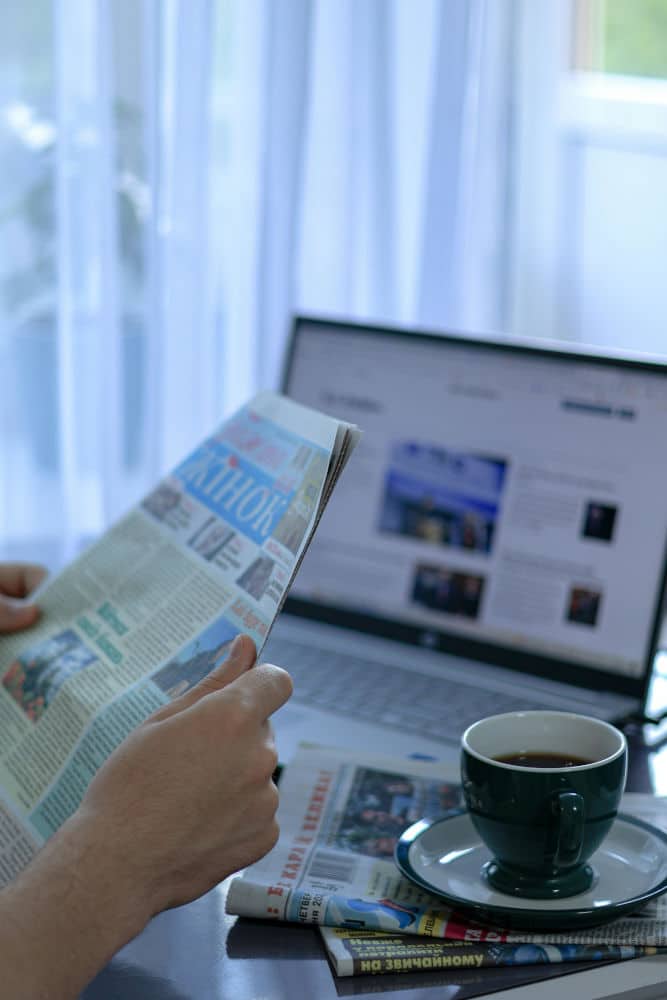
Set boundaries with news intake – Just because we have access to news 24/7 doesn’t mean we need to spend every free moment updating ourselves on the latest war news. Admittedly, it’s hard to avoid updates if you use social media, and for that reason, boundary-setting would also need to include social media use. Boundaries could look like – setting particular times in the day you read the news (e.g. when you’re having your morning coffee, or during your lunch break) or avoiding news or scrolling social media close to bedtime, since doing so can impact the quality of your sleep. Ultimately, you decide what you let into your mental space and setting limits is a powerful way to protect your well‑being.
Focus on what you can control – This means recognising the difference between what’s within your influence (your habits, your reactions, your boundaries, your attitude, your choices), and
what’s outside your influence (the decisions of world leaders, governments or institutions). This distinction isn’t about ignoring reality, it’s about being realistic and honest with yourself about what you can do in light of troubling global events. Can you stop world leaders from bombing other countries? No. What you can do, however, is sign petitions, donate funds to good causes, vote for political parties which align with your values, treat the people around you with love and respect, etc.
Build healthy habits – The ability to handle what’s going on around you will increase if you’re feeling well rested, healthy and strong. 7-8 hours of sleep per night, for instance, allows your brain to reset; Healthy, balanced meals can help stabilise your energy and mood; Exercise releases tension and boosts resilience; Moments of rest throughout the day prevent you feeling overwhelmed.
Seek support – Whether you choose to speak to a trusted friend or family member, or seek professional support, talking about your fears and anxieties is important. Whilst it won’t change what’s happening around you, it can help you feel understood and less alone and help you build increased resilience and tools to manage your emotions.